
Feeling Calm Isn't the Same as Being Safe.
A framework for understanding nervous system safety, regulation, and why insight alone doesn’t create lasting change.
Many of us learn how to regulate, cope, and function without ever feeling truly steady.
This is a place where we explore how safety is assessed, protected, and restored inside the body, and why so much well-intended advice falls short.
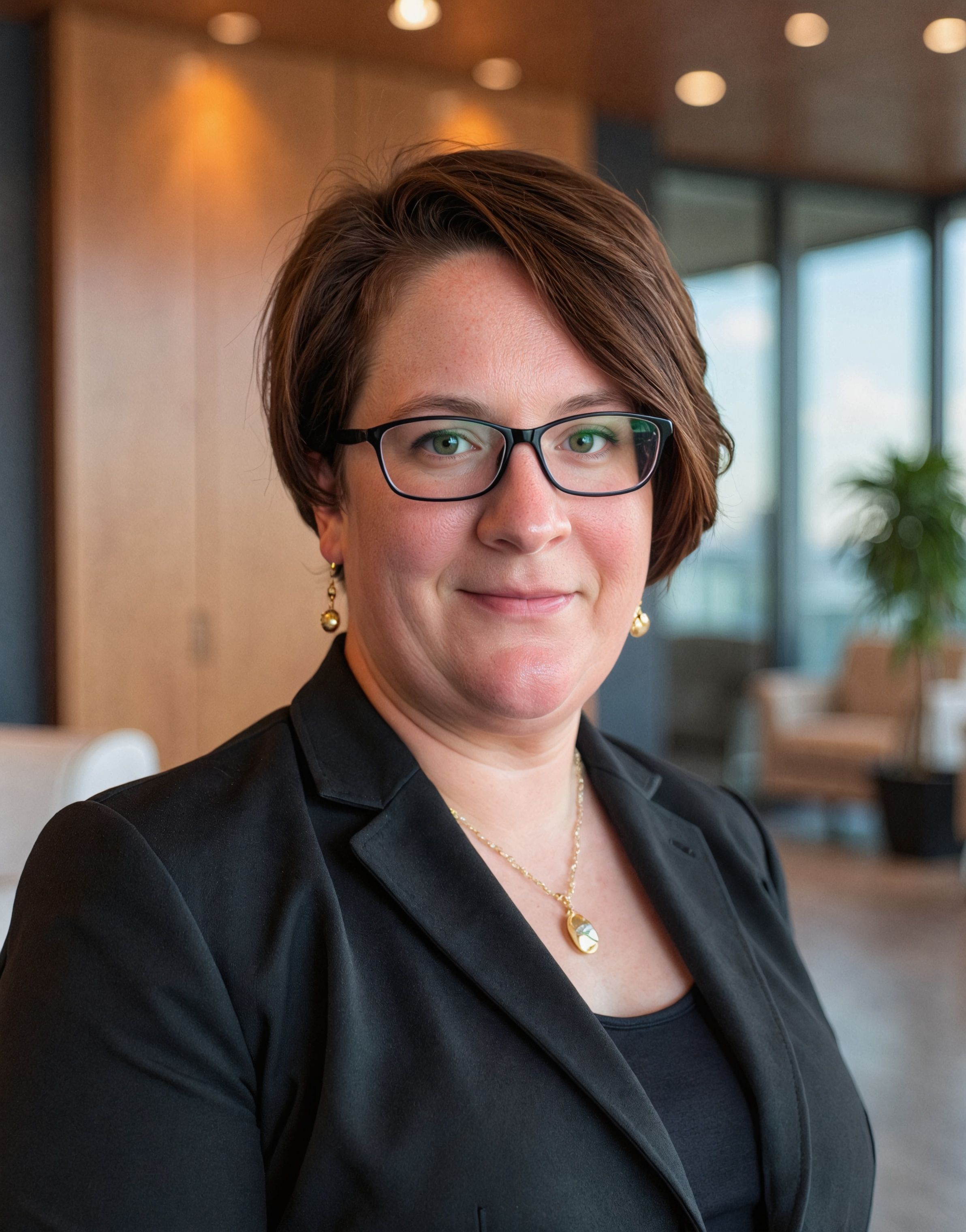
I’m the founder of The Safety Map — a nervous system safety framework for understanding how the body determines what is safe, why regulation alone isn’t enough, and how those safety assessments shape behavior, relationships, and capacity for repair.
After years of working in emotional regulation and relational dynamics, I began to see a deeper organizing principle beneath the patterns I was helping clients navigate.
That principle became The Safety Map — a framework for understanding how the nervous system determines what is safe and how those determinations shape behavior and healing.
This website is the home of that framework and the work built from it.
Why Nervous System Safety Matters
Many people learn emotional regulation skills but still feel stuck in relationships or patterns that don’t change. The Safety Map explains why calm does not always mean safe, and how restoring safety increases capacity for repair and movement.
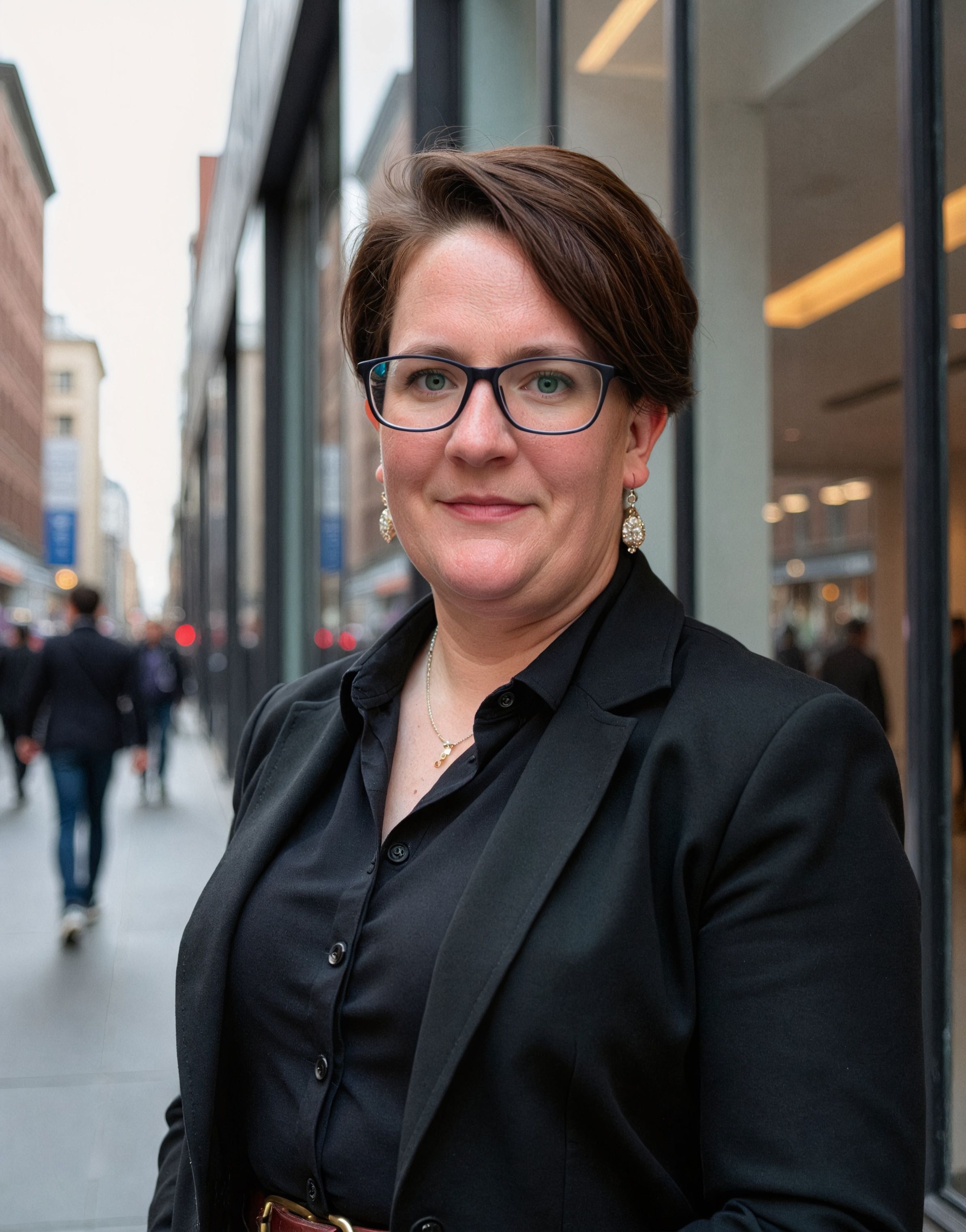
About Alyssa
Alyssa Decker is the founder of The Safety Map — a framework for understanding how the nervous system determines what is safe, how those determinations shape behavior and relationships, and what allows the system to reorganize without force.
An author, speaker, and human behavior consultant, her work centers on the organizing principle beneath emotional regulation, trauma responses, attachment patterns, and internal conflict: perceived safety.
Rather than focusing on behavior modification or performance, Alyssa’s work examines what happens before regulation — how protective strategies form, why shame and bracing develop, and why many people can appear calm while still operating from internal threat.
She is known for bringing clarity to experiences that often feel confusing or self-blaming, offering language that helps people recognize their patterns without pathologizing them. Her work is frequently described as the rare combination of “I feel seen” and “this finally makes sense.”
Alyssa is the author of Relationships Are Hard and Other Lies I Believed and the forthcoming book The Safety Map. She is the founder of The Safety Map Membership and leads Personal Safety Mapping Groups for deeper applied work.
As a single mother of five, she brings lived experience alongside precision and structural clarity. Her approach is grounded, direct, and steady — rooted in the belief that when safety is present, the human system reorganizes naturally.
JOHN DOE